Every small business owner hits the wall eventually. You know you need to invest in your brand, but the price tags feel like they’re for companies with investor backing and a full marketing department.
So you either put it off or start throwing wads of cash at whatever seems most urgent, like a new logo here, a website refresh there. You spend your budget on pieces of a brand that still don’t feel right. People tell you your logo looks great, but the leads aren’t hitting your inbox.
Branding on a budget isn’t about cutting corners. It’s about being realistic about what you need and spending in the right order. Once you understand what your brand needs now versus what can wait, the decisions get easier, and so does stretching your budget.
Start with the Right Framework
Functional branding, the approach we use at Artifact, is built around giving businesses brand tools they can use right away, not beautiful concepts that live in a PDF. It forces you to think about branding like a reliable asset, just like the equipment or software you use.
Most businesses think their problem is creativity. It’s usually prioritization.
The Must-Haves
Without these elements, everything else you invest in—your website, your marketing, your sales materials—is one big house of cards. No amount of ad spend will fix a brand that hasn’t answered the most basic questions. The market eventually shifts, a competitor moves in, and the whole fragile structure folds.
Clear positioning and a value proposition

If you can’t explain what you do, who you do it for, and why someone should choose you over the competition, your brand has an identity problem. “We provide quality service” doesn’t count. Every business says that, including the ones you’re trying to outcompete. Your value proposition needs to be specific enough to mean something and compelling enough to make someone care.
A clever tagline can be insanely catchy. But along with that tagline, you need crystal clarity about your place in the market so you can set yourself apart.
Brand voice and core messaging
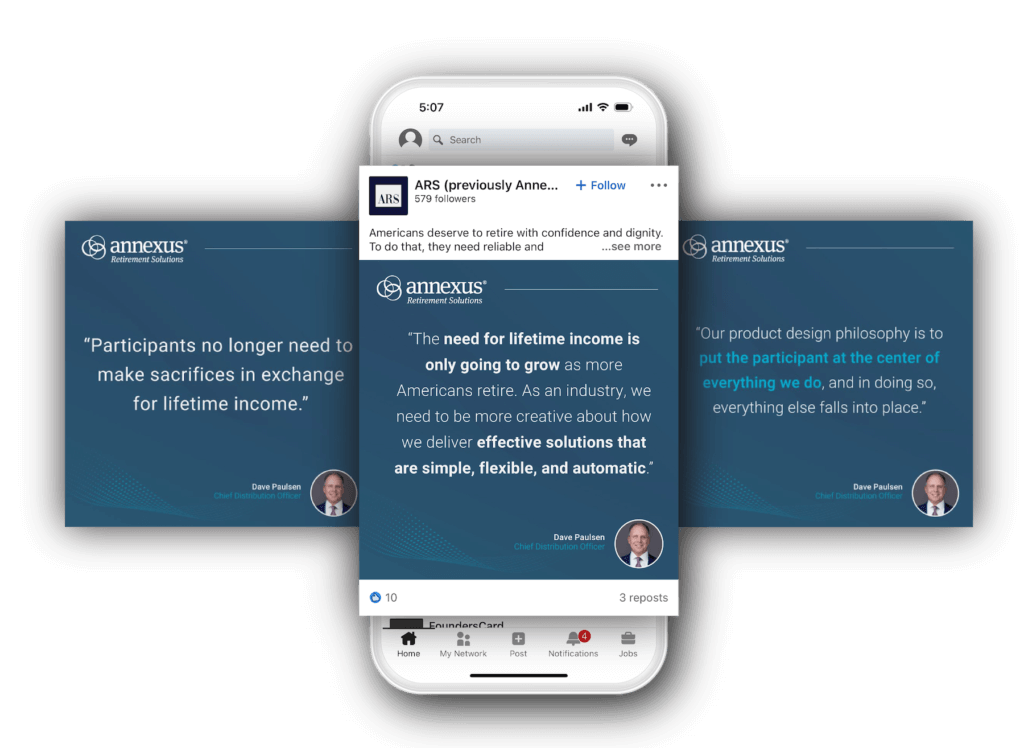
How your business sounds is as important as how it looks. Your tone, your language, the words you choose and the ones you avoid—these shape how people perceive you before they meet you or your team.
A consistent voice across your website, emails, and social media builds familiarity. Familiarity builds trust. And trust is what every B2B buying decision comes down to, no matter how good the sales pitch.
A functional visual identity

This isn’t just a logo. A functional visual identity includes your logo, your color palette, your typography, and basic usage guidelines—the rules that tell you and anyone you work with how to apply these elements consistently.
A polished brand doesn’t look buttoned up because someone designed a beautiful logo. It looks that way because your design system, presentation, and brand voice are locked in everywhere: on your website, in your proposals, on your business cards, and in your email signature. Inconsistency signals that you’re figuring it out as you go. Consistency shows you know exactly what you’re doing, even on the days when you’re not so sure.
A website that represents you accurately

Your website serves as your digital headquarters, free from the shifting algorithms and rules of platforms you don’t control. It’s often the first real impression someone gets of your brand, and unlike a bad Yelp review or a social post with an awkward comments section, it’s one you control.
Your site doesn’t have to be complex. It just needs to communicate who you are, what you do, and what someone should do next. Don’t trade a clear message for a flashy design.
The Nice-to-Haves
A lot of businesses overspend early on things that feel like branding but aren’t essential to your brand.
An elaborate brand guide document
Brand guidelines have their place. But if you’re a small team doing most of the marketing yourself, a 40-page brand bible isn’t particularly useful. Early on, you need a simple, usable reference with your colors, fonts, logo files, and a few voice and tone guidelines. The elaborate version can come later, when you have a team or agency partners who need to reference it.
Premium brand photography
Lifestyle photography and a custom image library can elevate your brand’s visual presence, but they shouldn’t take up your entire budget. Solid stock photography paired with a strong visual identity gets the job done while you’re building the brand. Invest in custom photography once your core is solid and you have a content strategy in place to put it to work.
Motion and video identity
Animated logos, brand videos, and explainer content are great for mature brands with the budget to do them well. There’s just one catch: they’re expensive to produce and need a clear brand foundation to land the way you want them to.
File this one under the “invest in later” category.
A presence on every social platform
Don’t try to be everywhere all at once. Pick the one or two platforms where your audience spends time and own them. Being a powerhouse on one channel is better than being a ghost on five. (And there will always be a shiny new platform showing up to convince you that this one is the one you can’t afford to miss.)
How to Prioritize When Budget Is Tight
Branding
Website
Content
Start with your brand foundation. Get your positioning, messaging, and visual identity locked down before you spend a dollar on anything else.
We’ve seen clients pour money into campaigns, websites, and ads, then hit the brakes to spend a few months building their foundation. They close more business the following quarter than they did the entire year before.
Your website should come next. Once your brand foundation is solid, your site will have something worth saying. Build it after, not before, you’ve nailed your positioning and messaging.
Content and marketing are third. A polished brand and a functional site give your content somewhere to land. But without a solid strategy for creating and promoting that content, you’re investing in assets that may never see the light of day.
The Temptation to Skip the Foundation
Branding feels abstract compared to the tangible results you expect from a new website or a paid campaign. When the budget is tight, it’s tempting to skip it and go straight to tactics. It’s also the most expensive mistake you can make.
Avoid the temptation.
Marketing amplifies what’s already there. A steady brand foundation makes your marketing stronger. When the base of your brand is weak, you’ll spend money spreading a message that doesn’t resonate, while scratching your head wondering why it isn’t working.
You don’t need a massive budget to build a credible brand. You need discipline and the willingness to invest in the right things first. The businesses we’ve watched grow the fastest figure out what they need, invest in those areas, and add in the nice-to-haves later when the brand starts delivering.
Not sure what your brand needs right now? That’s exactly what a brand consultation is for. We’ll take an honest look at where you are, what’s missing, and what should come first so your next investment gets you where you want to be. Let’s talk!